America's coasts are home to some of the most beautiful and biodiverse ecosystems on the planet. They provide food, shelter, and recreation for millions of people, and they generate billions of dollars in revenue each year.
However, these valuable ecosystems are under threat from a variety of human activities, including pollution, climate change, and overdevelopment.
Pollution
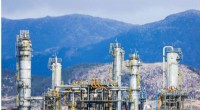
Pollution is one of the biggest threats to America's coasts. Sewage, fertilizers, and chemicals from factories and farms can all contaminate coastal waters, making them unsafe for swimming, fishing, and other activities.
Pollution can also kill marine life and damage coral reefs, which are essential for the survival of many fish species.
Climate Change
Climate change is causing sea levels to rise, which is leading to the erosion of coastal beaches and wetlands. This can damage infrastructure, displace people from their homes, and destroy important habitats for wildlife.
Climate change is also causing the ocean to become more acidic, which can harm marine life and damage coral reefs.
Overdevelopment
Overdevelopment is another major threat to America's coasts. The construction of new homes, businesses, and roads can destroy natural habitats, pollute coastal waters, and increase the risk of flooding.
Overdevelopment can also make it difficult for people to access the coast, which can reduce tourism and other economic activities.
What Can We Do?
There are a number of things we can do to protect America's coasts and ensure their health for future generations.
We can reduce pollution by recycling, using less fertilizer, and properly disposing of sewage. We can also support policies that protect clean water and reduce greenhouse gas emissions.
We can protect coastal habitats by conserving land, creating marine protected areas, and restoring damaged ecosystems. We can also support policies that discourage overdevelopment and encourage sustainable development.
By working together, we can protect America's coasts and ensure their health for future generations.