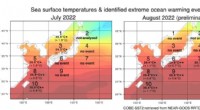
Climate change is causing the ocean to warm, which is stressing kelp. Kelp also needs a certain amount of sunlight to grow, and as the ocean becomes more acidic, it can become more difficult for kelp to absorb the sunlight it needs.
Pollution can also harm kelp forests. Sewage, fertilizers, and other pollutants can enter the ocean and kill kelp or make it more susceptible to disease.
Some kelp forests in British Columbia are more in danger than others. Kelp forests that are located in areas with high levels of pollution or that are experiencing rapid climate change are more likely to be damaged or destroyed.
Here are some specific examples of kelp forests in British Columbia that are in danger:
* The kelp forest in Alberni Inlet is one of the most productive kelp forests in British Columbia. However, it is also located in an area with high levels of pollution from pulp and paper mills. The pollution has caused the kelp forest to decline in size and health.
* The kelp forest in Barkley Sound is another important kelp forest in British Columbia. However, it is also located in an area that is experiencing rapid climate change. The ocean in Barkley Sound is warming faster than the average, and this is causing the kelp forest to decline.
* The kelp forest in Clayoquot Sound is one of the largest kelp forests in British Columbia. However, it is also located in an area that is threatened by logging and mining. The logging and mining could destroy the kelp forest and the fish and wildlife that depend on it.
These are just a few examples of kelp forests in British Columbia that are in danger. If we do not take action to protect these kelp forests, they could be lost forever.
Here are some things that can be done to protect kelp forests in British Columbia:
* Reduce pollution. One of the most important things that can be done to protect kelp forests is to reduce pollution. This can be done by reducing the amount of sewage, fertilizers, and other pollutants that enter the ocean.
* Combat climate change. Climate change is a serious threat to kelp forests, and it is important to take action to combat it. This can be done by reducing greenhouse gas emissions and investing in renewable energy sources.
* Protect critical habitats. Kelp forests are critical habitats for many marine species, and it is important to protect them. This can be done by creating marine protected areas and managing human activities in areas where kelp forests are located.
By taking these steps, we can help to protect kelp forests in British Columbia and ensure that they continue to provide food and shelter for many marine species.