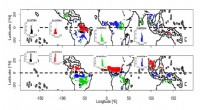
The study, published in the journal Nature Climate Change, found that between 1983 and 2016, the average minimum temperature in East Africa increased by 0.26 degrees Celsius per decade. This warming trend was particularly pronounced in urban areas, where the average minimum temperature increased by 0.5 degrees Celsius per decade.
The researchers attributed this warming trend to a combination of factors, including population growth, which has led to increased energy consumption and deforestation, and increasing greenhouse gas emissions, which have contributed to the overall rise in global temperatures.
The study's findings have important implications for human health and well-being in East Africa. Warmer nights can lead to sleep deprivation, heat-related illnesses, and increased risk of infectious diseases. Additionally, warmer nights can also negatively impact agricultural yields, which could have a significant impact on food security in the region.
Here are some specific examples of how warmer nights are affecting East Africa:
- Increased risk of malaria: Warmer nights have been linked to an increased risk of malaria transmission in East Africa. Mosquitoes that carry the malaria parasite are more likely to survive and reproduce in warmer temperatures, and warmer nights also make it more difficult for people to sleep under mosquito nets.
- Reduced agricultural productivity: Warmer nights can also reduce agricultural productivity in East Africa. Crops such as maize and wheat are sensitive to high temperatures, and warmer nights can lead to reduced yields.
- Sleep deprivation: Warmer nights can also make it difficult for people to sleep. This can lead to fatigue, decreased concentration, and increased risk of accidents.
The findings of this study highlight the need for urgent action to address climate change and its impacts in East Africa. This includes reducing greenhouse gas emissions, promoting energy efficiency, and investing in adaptation measures to help communities cope with the effects of climate change.