Impacts on Water Quality
Here are some of the potential impacts of intensive forest practices on water quality:
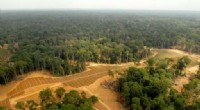
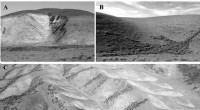
* Increased Sedimentation: Forest practices that involve extensive soil disturbance, such as clearcutting, can increase erosion and sediment inputs into nearby water bodies. High sediment loads can impair water clarity, clog fish gills, and smother fish eggs and other aquatic life.
* Nutrient Loading: Fertilizers and other chemicals used in intensive forest management can potentially leach into groundwater and surface water, causing nutrient enrichment. Excess nutrients, particularly nitrogen and phosphorus, can fuel algae blooms, deplete oxygen levels, and disrupt aquatic ecosystems.
* Changes in Water Temperature: Clearcutting and other practices that remove forest cover can increase water temperature in streams and rivers. Higher water temperatures can adversely affect aquatic organisms, including fish and invertebrates, especially during sensitive life stages.
* Alterations in pH and Dissolved Oxygen: Some intensive forest practices, such as the application of fertilizers and pesticides, can affect the pH balance and dissolved oxygen levels in water bodies. These changes can stress aquatic organisms and make them more susceptible to disease.
Mitigating Impacts
The impact of intensive forest practices on water quality can be mitigated by employing sustainable forest management practices, including:
* Minimize Soil Disturbance: Implementing practices that minimize soil disturbance, such as selective harvesting and retention of forest buffer zones along waterways, can help reduce erosion and sediment inputs.
* Proper Nutrient Management: Applying fertilizers and other chemicals judiciously, based on soil tests and following best management practices, can minimize nutrient losses and leaching.
* Reforestation and Afforestation: Reforestation and afforestation efforts can help improve water quality by reducing erosion, retaining nutrients, and providing shade to regulate water temperature.
* Streamside Management Zones: Establishing streamside management zones, which are vegetated buffers along streams and rivers, can help filter pollutants, reduce erosion, and provide habitat for aquatic organisms.
It is important to recognize that intensive forest practices do not always have negative impacts on water quality. Proper planning, careful implementation, and the use of sustainable forest management practices can help minimize negative impacts and maintain or even enhance water quality in forest ecosystems.