Drought, a prevalent environmental stressor, causes substantial agricultural losses worldwide. Understanding the mechanisms that enable crops to survive and thrive in drought-prone conditions is crucial for developing resilient agricultural practices. Recent research has yielded groundbreaking discoveries that shed light on the intricate strategies employed by plants to endure and even thrive in drought conditions.
Drought-Resistant Genes:
Sequencing and analyzing plant genomes have identified genes that play pivotal roles in drought resistance. These genes encode proteins involved in water transport, hormone signaling, and stress response. By introducing these genes into drought-sensitive crops, scientists aim to enhance their drought tolerance and improve crop yields in arid regions.
Root System Adaptations:
Drought-resistant crops often exhibit remarkable adaptations in their root systems. Research has shown that these plants can develop deeper and more extensive root systems, enabling them to access water from deeper soil layers during drought. Additionally, drought-tolerant roots exhibit increased root branching and enhanced root hair development, facilitating efficient water absorption.
Water Conservation Mechanisms:
Plants deploy several water conservation strategies to survive drought conditions. One such mechanism is the closure of stomata, tiny pores on the leaf surfaces that regulate gas exchange. By closing their stomata, plants minimize water loss through transpiration. Furthermore, certain crops have developed waxy cuticles and thick leaves, which act as barriers against excessive water loss.
Hormonal Regulation:
Drought conditions trigger hormonal changes in plants, influencing their response to stress. Abscisic acid (ABA), a plant hormone, plays a central role in drought response. It regulates stomatal closure, root growth, and the expression of stress-responsive genes. Manipulating ABA levels in crops could enhance their drought tolerance.
Seed Dormancy and Germination:
Drought-resistant crops often exhibit seed dormancy, which allows seeds to remain viable during unfavorable conditions. They can sense the onset of drought and delay germination until water becomes available, thereby increasing their chances of survival. Understanding the genetic and environmental factors influencing seed dormancy can lead to the development of drought-tolerant crop varieties.
Microbe-Plant Interactions:
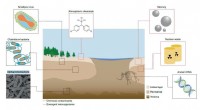
Research has revealed the significance of beneficial soil microbes in enhancing drought resilience in plants. Certain microbes, such as drought-tolerant bacteria and mycorrhizal fungi, form symbiotic relationships with plant roots. These microbes assist in water and nutrient uptake, root development, and stress response, improving the overall drought tolerance of crops.
Genomics-Assisted Breeding:
Advances in genomics have enabled scientists to identify and select drought-tolerant traits at the molecular level. Genomic selection and marker-assisted breeding allow for the rapid development of crop varieties with improved drought tolerance. This approach can significantly accelerate the breeding process and enhance crop productivity in drought-prone areas.
In summary, recent research has unveiled remarkable insights into the strategies employed by crops to survive and thrive in drought conditions. From drought-resistant genes to root system adaptations, hormonal regulation to microbe-plant interactions, these discoveries hold immense potential for developing drought-tolerant crop varieties. By harnessing nature's resilience and integrating innovative breeding techniques, scientists aim to mitigate the adverse effects of drought on global agriculture and ensure food security for future generations.