* Temperature: Snow forms when water vapor in the air freezes. When the temperature is below freezing, the water vapor turns directly into ice crystals, which fall as snow. If the temperature is above freezing, the water vapor will condense into liquid water, which will fall as rain.
* Humidity: The amount of water vapor in the air is called humidity. When the humidity is high, there is more water vapor available to turn into snow. When the humidity is low, there is less water vapor available to turn into snow.
* Wind speed: Wind can also affect snowfall. Strong winds can help to mix the air, which can prevent the formation of snow crystals. Light winds allow snow crystals to grow larger and heavier, which can result in heavier snowfall.
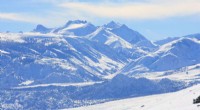
* Terrain: The shape of the land can also affect snowfall. Mountains can cause air to rise, which can lead to the formation of snow clouds. Valleys can trap cold air, which can also lead to snow formation.
In addition to these natural factors, human activity can also affect snowfall. For example, the burning of fossil fuels can release pollutants into the air that can act as cloud condensation nuclei. This can lead to the formation of more clouds, which can lead to more snowfall.
Climate change is also expected to affect snowfall. As the Earth's climate warms, the average temperature is expected to increase, which will lead to less snowfall. However, it is important to note that climate change is a complex phenomenon, and its effects on snowfall may vary from region to region.