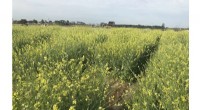
The Corn Belt is a region of the United States that is known for its production of corn, soybeans, and other crops. However, the region is also home to a number of pests that can damage these crops, including insects, diseases, and weeds. In recent years, there has been growing interest in using seed mixtures as a way to manage these pests.
What are seed mixtures?
Seed mixtures are combinations of different crop varieties that are planted together in the same field. This practice can help to reduce the risk of crop losses due to pests, as well as improve soil health and yield potential.
How do seed mixtures work?
Seed mixtures can work in several ways to manage pests.
* Diversity: By planting different crop varieties together, farmers can create a more diverse environment that is less favorable to pests. This can make it more difficult for pests to establish and spread, and can also help to reduce the risk of pest resistance.
* Trap crops: Some crop varieties are more attractive to pests than others. By planting these trap crops around the edges of a field, farmers can lure pests away from the main crop.
* Biological control: Some crop varieties can produce natural compounds that repel or kill pests. By planting these varieties together with other crops, farmers can help to control pest populations without the use of pesticides.
What are the benefits of using seed mixtures?
There are a number of benefits to using seed mixtures in the Corn Belt, including:
* Reduced risk of crop losses: Seed mixtures can help to reduce the risk of crop losses due to pests, as well as improve soil health and yield potential.
* Improved soil health: Seed mixtures can help to improve soil health by increasing organic matter and reducing erosion. This can lead to improved water quality and soil fertility.
* Increased biodiversity: Seed mixtures can help to increase biodiversity in the Corn Belt, which can benefit wildlife and other beneficial insects.
* Reduced pesticide use: Seed mixtures can help to reduce the need for pesticides, which can save farmers money and protect the environment.
What are the challenges of using seed mixtures?
There are also some challenges associated with using seed mixtures, including:
* Management: Seed mixtures can be more difficult to manage than single-crop fields. This can include challenges with planting, harvesting, and pest control.
* Cost: Seed mixtures can be more expensive than single-crop fields, due to the cost of purchasing different seed varieties.
* Marketing: Seed mixtures can be more difficult to market than single-crop fields, as buyers may be less familiar with them.
Overall, seed mixtures offer a number of benefits for farmers in the Corn Belt, including reduced risk of crop losses, improved soil health, increased biodiversity, and reduced pesticide use. However, there are also some challenges associated with using seed mixtures, including management, cost, and marketing. Farmers should carefully consider these factors before deciding whether or not to use seed mixtures in their fields.