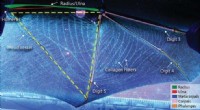
Scientists have turned to historical data to analyze long-term changes in seaweed populations. In one of the first studies to examine seaweed phenology using historical data, researchers analyzed a two-century record of herbarium collections of Atlantic wrack (Fucus spp.), commonly known as brown algae.
Fucus is ecologically and economically important in the intertidal zone, but it is sensitive to changes in environmental conditions, making it a suitable indicator species for ocean warming.
The study, published in the journal Estuarine, Coastal and Shelf Science, analyzed collections from the region in the Bay of Brest between 1810 and 2020.
Key findings include:
Warming impacts: The results revealed a significant increase in seaweed fertility throughout the study period. This change is directly linked to an observed increase in sea temperatures, indicating the effects of ocean warming on the phenological traits of Atlantic wrack.
Season shifts: An analysis of the phenological traits showed a marked advance in fertile events—critical for seaweed reproduction—occurring on average 15 days earlier each decade. This shift is consistent with the rise in sea temperatures, highlighting how ocean warming disrupts the natural timing of key life cycle events.
Climate indicators: The study's findings reinforce the sensitivity of seaweed phenology to ocean warming, making it a potential indicator species for assessing climate change impacts. The long-term data provided valuable insights into the response of marine organisms to changing environmental conditions.
Overall, the study underscores the urgent need to mitigate climate change to preserve the balance of marine ecosystems. Understanding and predicting the impacts of ocean warming on key species like seaweed is essential for informing conservation strategies and ensuring the sustainability of coastal environments.