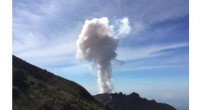
A new study has found that forests can actually thrive after being damaged by fires and volcanoes. The study, which was conducted by researchers at the University of California, Berkeley, found that these natural disturbances can create new opportunities for plant growth and can help to maintain biodiversity.
The researchers studied two forests in the Cascade Range of Oregon that had been damaged by fires in 2003 and 2009, and two forests in the Mount St. Helens area that had been damaged by a volcanic eruption in 1980. They found that, in all four cases, the forests had recovered quickly and were now thriving.
In the fire-damaged forests, the researchers found that the fires had created new opportunities for plant growth by clearing away dead trees and debris. This allowed new seedlings to take root and grow, which increased the diversity of the forest. The researchers also found that the fires had helped to control the spread of invasive species, which can crowd out native plants.
In the volcano-damaged forests, the researchers found that the volcanic ash had helped to fertilize the soil, which led to increased plant growth. The ash also created new habitats for plants and animals, which increased the biodiversity of the forests.
The researchers say that their findings have implications for forest management. They say that it is important to let natural disturbances, such as fires and volcanoes, occur in order to maintain the health of forests.
Here are some specific examples of how forests can thrive after fires and volcanoes:
* Fire can clear away dead trees and debris, which allows new seedlings to take root and grow. This can increase the diversity of the forest and help to control the spread of invasive species.
* Volcanic ash can fertilize the soil, which leads to increased plant growth. The ash can also create new habitats for plants and animals, which increases the biodiversity of the forests.
* Fires and volcanoes can help to create a mosaic of different habitats within a forest, which can support a wider variety of plant and animal species.
* Natural disturbances can help to maintain the health of forests by preventing them from becoming too crowded or stagnant.
By letting natural disturbances occur, forest managers can help to ensure the long-term health of their forests.