Introduction:
Climate change is widely acknowledged as one of the most pressing challenges of our time. While scientific consensus is strong, understanding how climate change affects ecosystems and biodiversity requires substantial long-term research. Insights from such research provide crucial information for developing conservation strategies and mitigating the effects of climate change. This article delves into the findings from long-term studies that have shed light on how climate change is playing out in real ecosystems.
1. Phenological Changes:
Long-term studies have observed significant changes in the timing of life cycle events, known as phenological shifts. These shifts include earlier flowering in plants, earlier bird migrations, and altered hibernation patterns in animals. Such changes disrupt the synchronization of species interactions, affecting food availability, predator-prey relationships, and ecosystem functioning.
2. Range Shifts and Species Distributions:
As temperatures rise, many species are shifting their ranges to find more suitable habitats. Long-term data reveals the poleward and upward movement of species in response to changing climate conditions. These range shifts can lead to range expansions of certain species and contractions for others, altering ecosystem dynamics and competitive interactions.
3. Loss of Biodiversity:
Long-term research highlights the alarming decline of biodiversity due to climate change. Species that cannot adapt or relocate fast enough face population decline and possible extinction. Vulnerable species include those with specialized habitats, limited dispersal capabilities, and those unable to tolerate rapid environmental changes.
4. Ecosystem Services Disruption:
Climate change disrupts ecosystem services essential for human well-being. Long-term studies have documented changes in water availability, pollination services, carbon sequestration, and soil fertility. These disruptions can have profound impacts on agriculture, water resources, human health, and economic stability.
5. Ocean Acidification and Coral Bleaching:
Research focused on coral reefs has revealed a devastating impact of ocean acidification caused by increased carbon dioxide levels. Long-term monitoring shows increased frequency and intensity of coral bleaching events, jeopardizing the survival of these fragile ecosystems and their rich biodiversity.
6. Forest Dynamics:
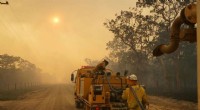
Long-term studies in forests provide valuable insights into how climate change influences tree growth, forest composition, and fire regimes. Changes in precipitation patterns, rising temperatures, and increased frequency of droughts and wildfires have all been linked to shifts in forest ecosystems.
7. Arctic Sea Ice Decline:
Research in the Arctic has yielded compelling evidence of sea ice decline. Long-term observations show a dramatic reduction in sea ice extent and thickness, impacting polar ecosystems, indigenous communities, and global weather patterns.
Conclusion:
Long-term research on the impacts of climate change on ecosystems is not only essential for scientific knowledge advancement but also crucial for shaping conservation and environmental management strategies. By continuously monitoring and understanding the intricate relationships within ecosystems over time, scientists are better equipped to predict future changes, identify vulnerable species and habitats, and develop proactive measures to mitigate the impacts of climate change. The long-term perspective offered by these studies is an invaluable tool in the fight against climate change and the preservation of our planet's biodiversity.