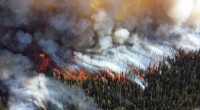
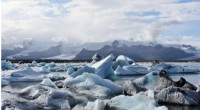
Habitat Loss: Rising temperatures, melting sea ice, and changes in precipitation patterns are altering habitats beyond recognition. This loss and degradation of ecosystems directly impact the survival of Arctic and sub-Arctic mammal species. Polar bears rely on sea ice for hunting, seals depend on stable ice for breeding, and caribou require undisturbed migratory routes. The disappearance of these habitats threatens the survival of these species.
Distrupted Food Chains: Climate change affects the availability and accessibility of food sources for mammals. As sea ice melts, the habitats of ice-dependent prey species like seals and fish are disrupted, impacting the food supply for polar bears, walruses, and other predators that rely on them. Changes in plant phenology and productivity also affect the diet and survival of herbivorous species like caribou and moose.
Disease and Parasite Prevalence: Warming temperatures and altered precipitation patterns can contribute to the spread of diseases and parasites. Warmer conditions favor the survival of disease-carrying insects like mosquitoes and ticks, which can transmit diseases to Arctic mammals that lack natural immunity. Additionally, changes in the timing of life cycles can disrupt predator-prey dynamics and increase the risk of parasites and diseases.
Migration and Range Shifts: Some mammal species may attempt to adapt by shifting their ranges or migrating to more suitable habitats. However, these movements are often restricted by natural barriers, human development, or competition from other species. Migration can also disrupt ecological interactions and increase conflicts with humans.
Population Declines and Local Extinctions: The combined effects of habitat loss, disrupted food chains, diseases, and migration barriers can lead to population declines and even local extinctions. Iconic Arctic species like polar bears and narwhals are already experiencing significant population reductions, and many other mammal species are facing similar threats.
Impacts on Indigenous Communities: The loss of Arctic and sub-Arctic mammal species also has profound impacts on indigenous communities that depend on these animals for subsistence, cultural practices, and livelihoods. The decline of mammal populations can disrupt traditional ways of life and livelihoods based on hunting and herding.
Conclusion:
Climate change poses significant threats to mammals in the Arctic and sub-Arctic regions. Habitat loss, disrupted food chains, increased disease prevalence, migration barriers, and population declines are all serious challenges that these species face. Urgent action is required to address climate change and mitigate its effects to ensure the survival of Arctic and sub-Arctic mammal species and the preservation of these unique ecosystems.