Tropical forests are highly diverse ecosystems that have evolved in warm and humid conditions. Many tree species in these forests are adapted to specific microclimates, temperature ranges, and precipitation patterns. As global temperatures rise and climates change, some tree species may struggle to survive, leading to changes in forest composition and structure.
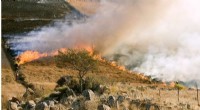
In addition to temperature, changes in precipitation patterns can also affect tropical forests' resilience. Many tropical forests rely on regular rainfall for moisture, and prolonged droughts or altered rainfall patterns can cause significant stress on these ecosystems. Droughts can increase the risk of wildfires, further damaging forest ecosystems.
The ability of tropical forests to regenerate after disturbances, such as logging or fires, is another factor that contributes to their resilience. However, with ongoing deforestation and habitat fragmentation, the regeneration capacity of tropical forests can be compromised, making them more vulnerable to the impacts of global warming.
Overall, while tropical forests may have some inherent resilience due to their biodiversity and adaptation to warm climates, the unprecedented pace and magnitude of global warming pose significant challenges to these ecosystems. Conservation efforts, sustainable forest management practices, and efforts to mitigate climate change are essential to enhance the resilience of tropical forests and maintain their vital role in the global ecosystem.