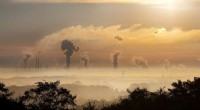
- Acid rain: Air pollution, particularly acid rain caused by sulfur dioxide and nitrogen oxides emissions, damaged the waxy coating on red spruce needles, making them more susceptible to moisture loss and environmental stresses.
- Insect outbreaks: The decline of red spruce also coincided with severe insect outbreaks, such as the eastern spruce budworm (Choristoneura fumiferana). These insects defoliated the trees, further weakening them and contributing to their mortality.
- Climate change: Changing climatic conditions, including rising temperatures and altered precipitation patterns, may have exacerbated the effects of acid rain and insect outbreaks on red spruce.
However, in recent years, there have been signs of recovery in red spruce populations in New England. This revival can be attributed to several factors:
- Reduced air pollution: Significant efforts to reduce air pollution, including the implementation of stricter emission standards, have led to a decline in acid rain and improved air quality in the region. As a result, red spruce trees are experiencing less damage from acid rain, allowing them to recover.
- Forest management practices: Changes in forest management practices, such as selective harvesting and the removal of non-native species, have also contributed to the revival of red spruce. These practices create more favorable conditions for red spruce regeneration and growth.
- Natural resilience: Red spruce trees possess a certain degree of natural resilience and adaptability. Over time, some red spruce trees have developed resistance to acid rain and insect pests, allowing them to survive and contribute to the recovery of the species.
- Climate adaptation: While climate change remains a concern, some red spruce populations have shown the ability to adapt to changing conditions. Certain genetic traits, such as drought tolerance and cold hardiness, may allow some red spruce trees to thrive in a changing climate.
It is important to note that the recovery of red spruce is still ongoing, and the species remains vulnerable to environmental challenges. Continued efforts to reduce air pollution, implement sustainable forest management practices, and monitor the effects of climate change will be crucial to ensure the long-term survival and recovery of red spruce in New England.