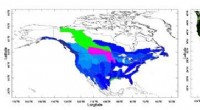
The researchers studied the transmission of a fungal disease called chytridiomycosis, which is a major cause of decline in amphibian populations worldwide. They found that the risk of chytridiomycosis was lower in communities with higher plant diversity. This is because plants can provide physical barriers to the spread of the disease, and they can also produce antifungal compounds that can help to kill the fungus.
The study's findings suggest that biodiversity conservation could be an important tool for protecting human and wildlife health from disease. By protecting plant diversity, we can reduce the risk of disease transmission and improve the health of our ecosystems.
Here are some of the key findings of the study:
* Plant diversity can reduce the risk of disease transmission by 40%.
* This is because plants can provide physical barriers to the spread of the disease, and they can also produce antifungal compounds that can help to kill the fungus.
* The study's findings suggest that biodiversity conservation could be an important tool for protecting human and wildlife health from disease.
* By protecting plant diversity, we can reduce the risk of disease transmission and improve the health of our ecosystems.
This study is an important contribution to our understanding of the role of biodiversity in disease transmission. The findings suggest that biodiversity conservation could be an important tool for protecting human and wildlife health from disease.