1. Altered Growth Patterns:
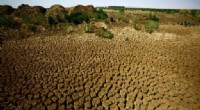
Extreme rainfall events can disrupt the normal growth patterns of plants. Heavy rains can cause flooding, waterlogging, and nutrient leaching, which can inhibit root growth and nutrient absorption. This can result in reduced biomass, smaller leaves, and stunted overall growth. Conversely, prolonged droughts can cause plants to experience water stress, leading to wilting, leaf loss, and reduced growth rates.
2. Changes in Phenology:
Climate change is causing shifts in the timing of key phenological events in plants, such as flowering, fruiting, and leaf senescence. Warmer temperatures and changes in precipitation patterns can advance the onset of spring events and delay autumn senescence, extending the growing season for some plant species. This can impact ecological interactions, such as the availability of food sources for animals that rely on seasonal plant cycles.
3. Range Shifts and Distribution Changes:
As temperatures rise, many plant species are shifting their ranges northward or to higher elevations to find more suitable climatic conditions. This can result in changes in plant communities and ecosystems as new plant species move into previously unoccupied areas while others decline due to unfavorable conditions. These range shifts can also have consequences for ecosystem functioning and biodiversity.
4. Increased Vulnerability to Pests and Diseases:
Climate change can lead to increased vulnerability to pests and diseases in plants. Warmer and wetter conditions can favor the survival and spread of pests, pathogens, and invasive species, which can cause significant damage to plant populations. For instance, warmer winters might allow certain insect pests to survive and reproduce more successfully, leading to increased pest pressure on plants in the following growing season.
5. Changes in Physiological Responses:
Plants respond to environmental stresses, such as extreme rainfall and drought, by altering their physiological processes. Some plants might develop mechanisms to tolerate or mitigate the effects of these stresses, such as drought-resistant traits or increased water-use efficiency. Others may show reduced reproductive success or increased mortality rates under extreme conditions.
6. Phenotypic Plasticity:
Many plant species exhibit phenotypic plasticity, which allows them to modify their traits in response to changing environmental conditions. For example, plants may adjust their leaf size, root growth, and water-use strategies to adapt to different levels of precipitation and temperature. This plasticity can help some plant species persist in challenging environments.
7. Assisted Migration:
In response to climate change, some conservation efforts involve assisted migration, which involves deliberately translocating plant species to new locations with more suitable climates. This approach aims to help endangered or threatened plant populations adapt and survive under changing climatic conditions.
Overall, plants exhibit various responses to extreme rainfall trends and climate change. Understanding and monitoring these responses are crucial for developing effective conservation and adaptation strategies to safeguard plant biodiversity and ecosystem resilience in a changing climate.