Previous estimates of global species richness have ranged from 5 million to 50 million species. However, the new study suggests that the true number of species on Earth is closer to 1.5 million. This represents a significant downward revision of previous estimates.
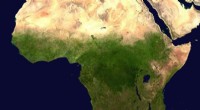
The researchers reached this conclusion by using a new method to estimate species richness. This method takes into account the fact that species are not evenly distributed across the globe. Some regions, such as the tropics, are much richer in species than others, such as the polar regions.
The researchers also took into account the fact that many species are not yet known to science. They estimated that there are still around 1 million species of plants and animals that have not yet been described.
The new findings have important implications for our understanding of biodiversity and conservation. If there are fewer species on Earth than previously thought, then we need to focus our conservation efforts on the species that are most at risk. We also need to better understand the factors that contribute to species richness, so that we can protect the areas that are most important for biodiversity.
The lead author of the study, Professor Andy Purvis from UEA, said: "Our findings challenge the conventional wisdom about global species richness. We believe that the true number of species on Earth is much lower than previously thought. This has important implications for our understanding of biodiversity and conservation."