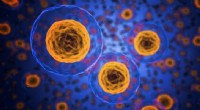
Plankton are microscopic organisms that drift in the water column. They are food for many marine animals, including fish, whales, and seabirds. To avoid being eaten, plankton have evolved a variety of escape mechanisms.
1. Small size
Plankton are very small, often less than 1 millimeter in length. This makes them difficult for predators to see and capture.
2. Translucent bodies
Many plankton have translucent bodies that make them difficult to see in the water.
3. Spines and bristles
Some plankton have spines or bristles that can deter predators.
4. Bioluminescence
Some plankton can produce light, which can confuse predators or attract other animals that may prey on the predators.
5. Jet propulsion
Some plankton can move quickly through the water by using jet propulsion. This allows them to escape from predators.
6. Rapid reproduction
Plankton reproduce rapidly, which helps to ensure that the population does not become depleted by predators.
Plankton and the food web
Plankton are an important part of the marine food web. They are a primary food source for many marine animals, and they also help to recycle nutrients in the ocean. Plankton's escape mechanisms help to ensure that they remain a viable part of the food web, despite the constant threat of predation.
Implications for human health
Plankton are also important for human health. They are a source of food for fish and other seafood that we eat. Plankton also help to remove pollutants from the water, and they can be used to produce biofuels. Understanding plankton's escape mechanisms can help us to better manage marine ecosystems and protect human health.