1. Damage Assessment:
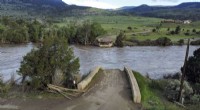
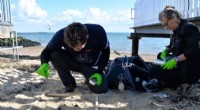
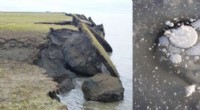
- Conduct a comprehensive assessment of the extent and severity of the damage caused by the disaster. This includes mapping affected areas, identifying plant and animal species impacted, and evaluating infrastructure and ecosystem services affected.
2. Debris Removal:
- Remove fallen trees, branches, and other debris left behind by the disaster. This is crucial for preventing the spread of disease, creating pathways for new growth, and facilitating access to the affected areas for restoration efforts.
3. Soil Remediation:
- Assess soil health and address any changes caused by the disaster, such as erosion, compaction, or nutrient loss. Apply soil amendments, mulching, and erosion control measures to improve soil conditions for plant growth.
4. Reforestation:
- Replant native tree species based on the original forest composition. This can be done through seed dispersal, planting seedlings grown in nurseries, or encouraging natural regeneration if viable seed banks remain.
5. Water Management:
- Implement water management strategies to address altered water flow patterns or water scarcity. This may include constructing water detention basins, restoring wetlands, and managing riparian zones.
6. Wildlife Support:
- Provide habitat structures like nesting boxes, perches, and snags to support wildlife recovery. Supplement food sources if necessary and control invasive species that may compete with native species for resources.
7. Biodiversity Enhancement:
- Introduce diverse plant species to enhance biodiversity and resilience of the ecosystem. This can include planting native flowering plants, shrubs, and trees that provide food and shelter for a variety of animal species.
8. Disease and Pest Management:
- Monitor for the occurrence and spread of diseases and pests that may affect regenerating plants. Implement integrated pest management strategies to minimize their impact on the ecosystem.
9. Community Involvement:
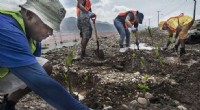
- Engage local communities in restoration efforts, promoting a sense of ownership and stewardship for the forest. Involve volunteers in tree planting, clean-up activities, and educational workshops.
10. Long-Term Monitoring:
- Establish a monitoring program to track the progress of forest restoration and identify any emerging issues. Adapt management strategies based on the monitoring data to ensure the long-term health and sustainability of the forest.
11. Sustainable Land Management:
- Develop sustainable land management practices to prevent future disasters and ensure the long-term health of the forest. This includes implementing fire-risk reduction measures, managing grazing and logging activities, and addressing climate change impacts.
Restoring a disaster-ravaged forest is a complex and time-consuming process, requiring collaboration among scientists, land managers, communities, and policy-makers to achieve successful forest regeneration and ecosystem recovery.