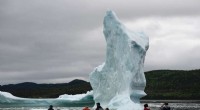
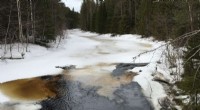
Loss of Traditional Territories: Climate change is causing the melting of glaciers, permafrost, and sea ice, resulting in the loss of traditional hunting and fishing grounds for indigenous communities. For example, Inuit communities in the Arctic have seen their sea ice habitats decline, impacting their ability to hunt seals and other marine resources.
Food Insecurity: Many indigenous communities rely on traditional food sources such as fish, game, and plants for sustenance. Climate change is disrupting these food sources by altering ecosystems and making it more difficult for indigenous peoples to access and harvest their traditional foods. This can lead to food shortages and increased reliance on store-bought foods, which can be expensive and less nutritious.
Water Scarcity: Climate change is leading to increased water scarcity in many regions, which disproportionately affects indigenous communities that often rely on local water sources. Droughts, reduced snowpack, and changes in precipitation patterns can make it difficult for indigenous peoples to access clean water for drinking, cooking, and irrigation.
Health Risks: Climate change brings about increased exposure to extreme weather events such as heat waves, storms, and flooding, which can have adverse health effects on indigenous communities. These communities may have limited resources and infrastructure to cope with these events, leading to increased morbidity and mortality.
Cultural and Spiritual Impacts: Climate change impacts on the environment can disrupt cultural and spiritual practices of indigenous communities. Traditional ceremonies, rituals, and connections to the land may be disrupted, leading to a loss of cultural identity and a sense of place.
Displacement and Migration: In some cases, climate change impacts can force indigenous communities to relocate from their traditional territories. This can lead to the loss of cultural and spiritual connections to their ancestral lands, as well as social and economic disruption.
Reduced Resilience: Indigenous communities often have traditional knowledge and practices that have allowed them to adapt to changes in their environment. However, the rapid pace of climate change can overwhelm their coping mechanisms, making them more vulnerable to its impacts.
Addressing the impacts of climate change on indigenous communities requires collaborative efforts that recognize and respect their traditional knowledge and ways of life. This includes supporting their adaptation strategies, promoting their participation in decision-making processes, and ensuring their rights to land, resources, and self-determination are upheld.