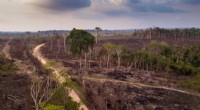
California is currently experiencing its third consecutive dry year, and the state's water supply is dwindling. The drought is having a devastating impact on the state's economy, environment, and public health.
Climate change is making the drought worse in several ways.
- First, climate change is causing the Earth's atmosphere to hold more moisture, which means that less rain falls on California.
- Second, climate change is causing the snowpack in the Sierra Mountains to melt earlier and faster, which means that there is less water available for storage in reservoirs.
- Third, climate change is causing the ocean to become warmer, which is leading to more evaporation from the state's reservoirs and rivers.
The drought is having a number of devastating impacts on California.
- The agricultural sector is being hit particularly hard, with farmers losing millions of dollars in crops and livestock.
- The drought is also leading to water shortages in many cities and towns, with some communities facing the possibility of running out of water entirely.
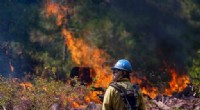
- The drought is also causing environmental problems, such as wildfires and fish kills.
- The drought is also having a negative impact on public health, with people suffering from respiratory problems from the increased dust and pollution, as well as the increased risk of waterborne diseases.
The drought is a serious threat to California, and it is important to take action to address the problem.
There are a number of things that can be done to address the drought, including:
- Conserving water by reducing outdoor watering and fixing leaks.
- Investing in water infrastructure, such as reservoirs and canals, to store and transport water.
- Developing new water sources, such as desalination plants and recycled water.
- Reducing greenhouse gas emissions to help slow climate change and reduce the frequency and severity of droughts.
By working together, we can address the drought and build a more resilient California.