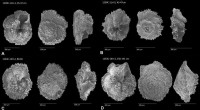
In the realm of nature, it's not always a matter of knowing or understanding; it's about survival instincts kicking in. Invasive snails have demonstrated such behavior by hiding reflexively even when they are not aware of a predator's presence. This response, known as pseudo-crypsis, sheds light on the intricacies of their survival strategies.
Pseudo-crypsis, a form of protective behavior, involves performing actions as if a predator is present, even when none is observed. This behavior is an example of an anti-predator adaptation that has evolved over time. Invasive snails have demonstrated pseudo-crypsis behavior, indicating that they have developed this adaptation as a defensive measure against predators.
Examples of Pseudo-crypsis in Invasive Snails:
1. The Cuban Brown Snail: Invasive in many regions, the Cuban brown snail is known for its habit of retracting into its shell and remaining stationary even in the absence of an immediate threat. This behavior reduces its visibility and detectability, minimizing its chances of being preyed upon.
2. New Zealand Mud Snail: The New Zealand mud snail exhibits similar behavior, retreating into crevices or burrowing beneath the surface of the sediment when encountering potential predators. This behavior minimizes their chances of being consumed.
Adaptive Value of Pseudo-crypsis in Invasive Snails:
The evolution of pseudo-crypsis in invasive snails is likely related to several factors:
1. Lack of Knowledge about Predators: Invasive species often don't have the innate knowledge of predators in their new environments. Therefore, they rely on behavioral responses that err on the side of caution, providing them with a better chance of survival.
2. Broad Range of Predators: Invasive snails face a broader spectrum of predators in their new habitats compared to their native environments. To cope with this expanded threat landscape, they develop a more generalized hiding behavior.
3. Selection Pressure: Snails that exhibit pseudo-crypsis are more likely to survive predation and have a higher reproductive success, passing on their anti-predator traits to their offspring. This selection pressure promotes the spread of this behavior within invasive snail populations.
The case of invasive snails and their pseudo-crypsis behavior showcases how evolutionary adaptations can arise even without direct knowledge or perception of predators. These snails' ability to hide reflexively has contributed to their successful invasion and spread, posing challenges to native ecosystems and agricultural systems they colonize. Understanding these complex survival mechanisms aids in developing management strategies to mitigate the impacts of invasive species.