1. Wildlife Corridors and Underpasses:
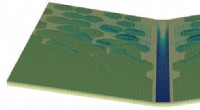
- Create wildlife corridors or green bridges over or under roads and railways to provide safe passage for animals.
- Design underpasses and culverts that are large enough to accommodate the movement of various wildlife species.
2. Fencing and Barriers:
- Install wildlife fencing along roads and railways to prevent animals from entering dangerous areas.
- Use escape routes or ramps to allow animals that become trapped on the road to safely escape.
3. Roadside Vegetation Management:
- Maintain natural vegetation along roadsides to provide habitat and food sources for wildlife.
- Avoid using pesticides and herbicides that can harm wildlife.
4. Signage and Education:
- Install wildlife warning signs to alert drivers to areas with high animal activity.
- Educate the public and drivers about the importance of wildlife-friendly roads and the need for caution in these areas.
5. Lighting Solutions:
- Minimize light pollution near wildlife habitats.
- Use shielded lighting fixtures to reduce the impact on nocturnal wildlife.
6. Noise Reduction:
- Implement measures to reduce traffic noise, such as installing noise barriers or using quieter road surfaces.
7. Wildlife-Sensitive Design:
- Integrate wildlife considerations into the design and planning of roads and railways.
- Work with ecologists and wildlife experts to identify and mitigate potential impacts.
8. Monitoring and Adaptation:
- Continuously monitor the effectiveness of wildlife-friendly measures and adapt them as necessary based on observed impacts.
9. Collaboration:
- Collaborate with local communities, conservation organizations, and government agencies to ensure a comprehensive and effective approach.
10. Research and Innovation:
- Support research and innovation in wildlife-friendly road and railway design to find new and improved solutions.
11. Environmental Impact Assessments:
- Conduct thorough environmental impact assessments before constructing new roads or railways to identify potential impacts and plan for mitigation measures.
12. Habitat Connectivity:
- Incorporate landscape-scale planning to ensure that wildlife-friendly roads and railways contribute to maintaining habitat connectivity.
13. Speed Limits:
- Implement appropriate speed limits in areas where wildlife is known to cross.
14. Seasonal Considerations:
- Take into account seasonal variations in wildlife movement patterns and adjust mitigation measures accordingly.
By implementing these strategies and continuously seeking innovative solutions, we can create road and railway networks that minimize their impact on wildlife, allowing both humans and wildlife to coexist harmoniously.