- Albedo: Vegetation affects the amount of sunlight absorbed by the land surface. Plants have a low albedo, meaning they reflect much of the sunlight back into the atmosphere. In contrast, bare soil and rocks have a high albedo and absorb more sunlight, leading to higher surface temperatures.
- Evapotranspiration: Plants release water vapor through their leaves, a process called evapotranspiration. This water vapor cools the surrounding air and contributes to cloud formation. Areas with dense vegetation have higher evapotranspiration rates, resulting in cooler and more humid climates.
- Wind patterns: Vegetation can affect wind speed and direction. Trees and other tall vegetation can slow down winds, creating sheltered microclimates behind them. In contrast, open areas with little vegetation experience faster winds and more frequent wind-driven storms.
- Turbulence: Vegetation can create turbulence in the atmosphere. This turbulence helps mix the air and redistribute heat and moisture. Areas with dense vegetation often experience less turbulent conditions, leading to stable weather patterns.
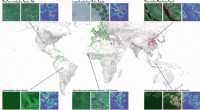
Vegetation hotspots are found worldwide and can have various effects on the local climate and ecosystem. For example, deforestation can cause a rise in temperatures and a decrease in precipitation, leading to desertification and loss of biodiversity. In contrast, reforestation can help to mitigate climate change by absorbing carbon dioxide and regulating temperatures. Understanding the interactions between vegetation and climate is essential for managing ecosystems and mitigating the effects of climate change.