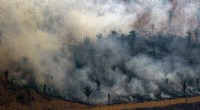
- As human settlements and infrastructure expand, puma habitats are encroached upon, fragmented, and destroyed. This reduces the availability of food, shelter, and breeding areas, leading to population decline.
2. Hunting and Poaching:
- Despite legal protections in many areas, pumas are still hunted for sport or killed as a perceived threat to livestock or humans. Illegal poaching and unregulated hunting contribute significantly to puma mortality.
3. Roadkill:
- Roads bisect puma habitats, increasing the risk of collisions with vehicles. Puma roadkill is a substantial source of mortality, especially in areas with heavy traffic.
4. Conflict with Livestock:
- Pumas are natural predators of livestock, occasionally preying on domestic animals like cattle, sheep, or goats. This can result in conflicts with ranchers and farmers, sometimes leading to the killing of pumas.
5. Human-Wildlife Conflict:
- In areas where human populations and pumas overlap, conflicts may arise. These can include attacks on pets or livestock, or encounters with pumas near residential areas. Such conflicts often lead to the removal or killing of pumas.
6. Human-Induced Stress:
- Proximity to human activities can cause chronic stress in pumas. Human presence, noise, and disturbances may disrupt their normal behaviors, hunting patterns, and reproductive success, affecting population health.
7. Disease Transmission:
- Domestic animals can transmit diseases to pumas through direct contact or contamination of food sources. Such diseases can have severe impacts on puma populations, especially if they lack natural immunity.
8. Overhunting of Prey Species:
- Overhunting of deer and other prey species by humans decreases the food available to pumas. This can lead to starvation, reduced reproduction, and increased conflicts with humans for alternative food sources.
It's crucial for humans to coexist peacefully with pumas by conserving their habitats, implementing conflict mitigation strategies, addressing human-wildlife interactions, and promoting public education about the importance of puma conservation.