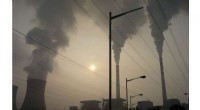
The United States Environmental Protection Agency (EPA) is an independent agency of the United States federal government tasked with protecting human health and the environment. Established by the National Environmental Policy Act of 1969, the EPA addresses environmental issues such as air and water pollution, solid and hazardous waste management, and environmental cleanup.
Reasons for Being In the Hot Seat:
The EPA has been under scrutiny and criticism for various reasons, including:
1. Controversies and Allegations: The EPA has been involved in controversies related to its handling of environmental regulations and enforcement actions. Allegations of political interference and lack of transparency have raised concerns about the agency's ability to effectively fulfill its mission.
2. Regulatory Battles and Lawsuits: The EPA's regulations often face legal challenges from industries and interest groups. These legal battles can delay or weaken environmental protections, causing frustration among environmentalists and advocates for stricter environmental standards.
3. Climate Change Policy: The EPA's role in addressing climate change has been a contentious issue. Critics argue that the agency's actions, or lack thereof, have not been sufficient in combating the challenges of global warming and meeting international climate commitments.
4. Budget Cuts and Staffing Issues: The EPA has experienced funding cuts and reductions in its workforce in recent years. This has raised concerns about the agency's capacity to effectively carry out its responsibilities and enforce environmental regulations.
5. Political Pressure: The EPA is often subject to political pressures from various stakeholders, including industries, environmental groups, and the federal administration. Balancing these pressures and maintaining scientific integrity in decision-making can be challenging.
6. Slow to Act on Pressing Issues: Environmental groups criticize the EPA for being slow to act on pressing environmental issues such as climate change, air pollution, and chemical contamination. They argue that the agency is often reluctant to take strong stances or enforce regulations that might upset powerful industries or run afoul of political interests.
7. Lack of Transparency: The EPA has been accused of lacking transparency in its decision-making, scientific assessments, and enforcement actions. Critics argue that the agency is not sufficiently open about the data it uses and the reasoning behind its decisions, leading to questions about its accountability and credibility.
8. Unequal Enforcement: Environmental justice advocates argue that the EPA has not done enough to address environmental injustices and disproportionate impacts on marginalized communities. Critics point out that certain communities often bear the brunt of environmental pollution and degradation without receiving adequate protection or enforcement.
These are some of the factors contributing to the EPA being in the hot seat and facing criticism from various groups and stakeholders. However, it's important to note that the agency also plays a vital role in environmental protection and has had many successes in addressing environmental issues over the years.