Rainfall:
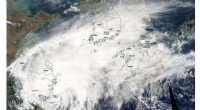
China is a vast country with diverse climatic conditions, and rainfall patterns can vary greatly from region to region. Some areas experience abundant rainfall, while others are prone to droughts or irregular precipitation. The variability of rainfall can disrupt agricultural production, especially for crops that require specific water conditions during different growth stages. For instance, excessive rainfall during the flowering or harvesting seasons can lead to crop damage, while droughts can cause water stress and reduce yields.
Warming temperatures:
Rising temperatures can also have a range of effects on agriculture. Higher temperatures can accelerate crop growth and development, potentially resulting in earlier harvests. However, extreme heat events can cause heat stress in plants, leading to reduced yields and lower-quality produce. Additionally, warmer temperatures can alter the distribution and abundance of pests and diseases, posing new challenges for farmers in managing crop protection.
The relative significance of rainfall and warming as threats to China's agriculture depends on the specific context and location. In areas where water scarcity is a primary concern, rainfall variability can have a more direct and immediate impact on crop production. In contrast, regions with more reliable rainfall might experience greater challenges due to warming temperatures and associated changes in pest dynamics or overall growing conditions.
Overall, both rainfall and warming temperatures contribute to the complex challenges faced by China's agricultural sector. Adaptation strategies often involve a combination of measures to mitigate the impacts of both factors and enhance the resilience of agricultural systems to changing climatic conditions.