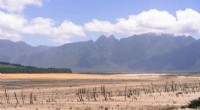
Root elongation is controlled by a number of factors, including the plant's genetics, the soil conditions, and the amount of water available. When the soil is dry, the roots will produce more of a hormone called abscisic acid (ABA). ABA causes the roots to grow longer and faster in an attempt to reach the water.
In addition to ABA, other factors that can affect root elongation include:
* The soil type: Some soils are more compacted than others, which can make it more difficult for roots to penetrate.
* The soil pH: Roots grow best in soils with a pH between 6 and 7.
* The amount of organic matter in the soil: Organic matter helps to hold water in the soil, which can make it easier for roots to absorb water.
Root elongation is an important process that allows plants to survive in dry conditions. By growing deeper and further, the roots can reach the water that they need to grow and thrive.
Here is a more detailed explanation of the process of root elongation:
1. When the soil is dry, the roots will start to produce more ABA.
2. ABA causes the cells in the root tips to elongate.
3. As the cells elongate, the root tip will grow longer.
4. The root tip will continue to grow until it reaches water.
5. Once the root tip reaches water, the root will start to grow new branches.
6. The new branches will help the root to absorb more water from the soil.
The process of root elongation is a continuous process that occurs throughout the life of the plant. As the plant grows, the roots will continue to grow deeper and further in search of water. This process is essential for the plant's survival, as it allows the plant to access the water that it needs to grow and thrive.