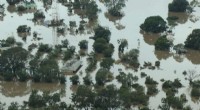
Green roofs are a type of roofing system that is covered in vegetation and soil. They can help cities manage stormwater runoff by absorbing rainwater and releasing it slowly back into the atmosphere. This can help reduce flooding and improve water quality.
Green roofs work by mimicking the natural process of infiltration. When it rains, water falls on the roof and is absorbed by the soil. The soil then stores the water and releases it slowly back into the atmosphere through evapotranspiration. This process helps to reduce the amount of runoff that enters the city's storm sewer system.
In addition to reducing flooding, green roofs can also improve water quality. The soil on green roofs helps to filter pollutants from rainwater, such as heavy metals and nutrients. This can help protect the quality of water in rivers, lakes, and streams.
Green roofs can also provide other benefits to cities, such as reducing the urban heat island effect, improving air quality, and providing habitat for wildlife. As a result, green roofs are becoming increasingly popular in cities around the world.
Here are some specific examples of how green roofs have been used to manage stormwater runoff in cities:
* Chicago, Illinois: Chicago has one of the largest green roof programs in the United States. The city has installed green roofs on over 100 buildings, including City Hall, the Chicago Cultural Center, and the Millennium Park Visitors Center. These green roofs have helped to reduce flooding and improve water quality in the city's rivers and lakes.
* Portland, Oregon: Portland is another city that has embraced green roofs. The city has installed green roofs on over 200 buildings, including the Portland City Hall, the Multnomah County Courthouse, and the Oregon Convention Center. These green roofs have helped to reduce flooding and improve water quality in the city's rivers and streams.
* Toronto, Canada: Toronto is a city that is facing increasing challenges from climate change, including more frequent and intense storms. The city has installed green roofs on over 100 buildings, including the Toronto City Hall, the Royal Ontario Museum, and the CN Tower. These green roofs have helped to reduce flooding and improve water quality in the city's rivers and lakes.
Green roofs are a valuable tool for cities to manage stormwater runoff and improve water quality. They can also provide other benefits, such as reducing the urban heat island effect, improving air quality, and providing habitat for wildlife. As a result, green roofs are becoming increasingly popular in cities around the world.