Intensity
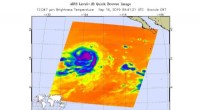
The Saffir-Simpson Hurricane Wind Scale is used to classify hurricanes based on their maximum sustained winds. The scale ranges from Category 1 to Category 5, with Category 5 being the most intense.
Here are the wind speed ranges for each category:
* Category 1: 74-95 mph
* Category 2: 96-110 mph
* Category 3: 111-129 mph
* Category 4: 130-156 mph
* Category 5: 157 mph or higher
Location
The location of a hurricane is determined by its latitude and longitude. The coordinates are typically given in degrees, minutes, and seconds.
For example, the coordinates of Hurricane Katrina when it made landfall in Louisiana in 2005 were 29.97° N, 89.57° W.
Path
The path of a hurricane is determined by the direction and speed at which it is moving. The direction is typically given in degrees, and the speed is given in miles per hour.
For example, Hurricane Katrina moved in a northwesterly direction at a speed of 17 mph when it made landfall in Louisiana.
Other information
In addition to the intensity, location, and path of a hurricane, its name can also tell you other information, such as:
* The year it formed
* The ocean basin in which it formed
* The number of people it killed
* The amount of damage it caused
Hurricane names can be a valuable tool for understanding and tracking these powerful storms. By knowing what the names mean, you can stay informed and safe during hurricane season.