The food we eat has a significant impact on global wildlife. Here are a few ways in which dietary choices can affect wildlife populations:
Habitat destruction: The production of food, particularly meat and dairy, requires a lot of land. This means that natural habitats are being cleared to make way for crops and livestock, which can displace or kill wildlife. For example, the Amazon rainforest is being cleared at an alarming rate to make way for cattle ranches and soybean plantations. This is having a devastating impact on the many species that call the rainforest home, including jaguars, sloths, and toucans.
Pollution: Food production can also pollute the environment, which can harm wildlife. For example, fertilizers and pesticides used in agriculture can run off into waterways and pollute rivers and oceans. This can kill fish and other aquatic life, and can also harm birds and other animals that feed on them.
Overfishing: Overfishing is a major threat to marine wildlife. Fish are an important source of food for people around the world, but we are catching them faster than they can reproduce. This is leading to population declines of many fish species, including tuna, cod, and salmon.
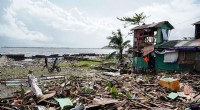
Climate change: Food production also contributes to climate change, which is having a devastating impact on wildlife. Climate change is causing sea levels to rise, which is flooding coastal habitats and displacing wildlife. It is also causing temperatures to rise, which is making it difficult for some animals to survive.
Impact on Human Populations
Our dietary choices can also have a significant impact on human populations. Here are a few ways in which food can affect human health:
Nutrition: The food we eat provides us with the nutrients we need to stay healthy. A diet that is rich in fruits, vegetables, and whole grains can help to reduce the risk of chronic diseases such as heart disease, stroke, and cancer. Conversely, a diet that is high in processed foods, sugary drinks, and unhealthy fats can increase the risk of these diseases.
Foodborne illness: Eating contaminated food can cause foodborne illness, which can be a serious health risk. Some foodborne illnesses, such as salmonella and E. coli, can be fatal.
Obesity: Obesity is a major health problem that is linked to a number of chronic diseases, including heart disease, stroke, and type 2 diabetes. Obesity is caused by a combination of factors, including genetics, lifestyle, and diet. A diet that is high in calories and unhealthy fats can contribute to weight gain and obesity.
Conclusion
Our dietary choices have a significant impact on both global wildlife and human populations. By making healthy and sustainable food choices, we can help to protect our planet and our health.