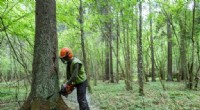
Trees and other plants absorb water from the soil, release it into the atmosphere through transpiration, and provide shade that helps to reduce evaporation. This process helps to maintain a balance in the water cycle and regulate stream flow.
Additionally, plants help to hold soil in place and reduce erosion, which can further help to protect water quality and maintain stream flow.
In a changing climate, plants are becoming increasingly important for maintaining stream flow. As temperatures rise and precipitation patterns change, plants will need to be able to adapt to these new conditions in order to continue to provide their essential role in regulating stream flow.
Strategies for protecting and enhancing plant communities can therefore be an important part of climate change adaptation plans.
Here are some specific examples of how plants help to regulate stream flow:
- Trees and other plants help to absorb water from the soil, which helps to reduce the amount of water that runs off into streams during heavy rains. This can help to prevent flooding and erosion.
- Plants also release water into the atmosphere through transpiration, which helps to create clouds and precipitation. This water can eventually fall as rain or snow and replenish streams and rivers.
- The shade provided by plants helps to reduce evaporation from streams and rivers, which can help to maintain stream flow during dry periods.
- Plants also help to hold soil in place and reduce erosion, which can further help to protect water quality and maintain stream flow.
By understanding the important role that plants play in regulating stream flow, we can take steps to protect and enhance plant communities as part of our climate change adaptation strategies.