Marine forests, also known as kelp forests, are underwater ecosystems made up of large brown algae called kelp. These forests are found in cold, nutrient-rich waters around the world, and they play an important role in the marine ecosystem.
Kelp forests provide food and shelter for a variety of marine life, including fish, shellfish, and seabirds. They also help to clean the water by filtering out pollutants and nutrients. In addition, kelp forests help to reduce the amount of carbon dioxide in the atmosphere by absorbing it through photosynthesis.
The Nordic countries are home to some of the largest and most diverse marine forests in the world. These forests are a valuable resource, and they can play an important role in helping to fight climate change.
How can Nordic marine forests help fight climate change?
There are a number of ways that Nordic marine forests can help fight climate change.
* Carbon sequestration: Kelp forests absorb carbon dioxide from the atmosphere through photosynthesis. This carbon is then stored in the kelp's tissues, and it can remain there for hundreds of years. When the kelp dies, it sinks to the bottom of the ocean, where it can be buried and stored for millions of years.
* Nutrient cycling: Kelp forests help to recycle nutrients, such as nitrogen and phosphorus, back into the marine ecosystem. This helps to support the growth of other marine plants and animals, which in turn helps to maintain the health of the marine ecosystem.
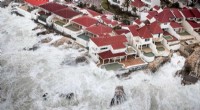
* Coastal protection: Kelp forests help to protect coastlines from erosion and storm damage. The kelp's blades break the waves, and the kelp's roots hold the sediment in place. This helps to prevent coastal erosion, which can damage property and infrastructure.
* Habitat provision: Kelp forests provide habitat for a variety of marine life, including fish, shellfish, and seabirds. These animals rely on the kelp forest for food, shelter, and reproduction. The kelp forest also helps to create a microclimate that is warmer and more humid than the surrounding water, which can benefit marine life.
Conclusion
Nordic marine forests are a valuable resource that can play an important role in helping to fight climate change. These forests absorb carbon dioxide from the atmosphere, recycle nutrients, protect coastlines from erosion and storm damage, and provide habitat for a variety of marine life. By protecting and managing these forests, we can help to mitigate the effects of climate change and ensure the health of the marine ecosystem.