Physical Impacts:
1. Sea Level Rise: Melting ice sheets and glaciers due to warming temperatures can lead to substantial sea-level rise, inundating coastal areas and displacing millions of people worldwide.
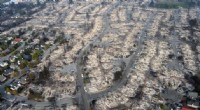
2. Extreme Weather Events: Increased frequency and intensity of heat waves, droughts, wildfires, floods, and storms can result in widespread devastation, infrastructure damage, loss of life, and disruption of ecosystems.
3. Biodiversity Loss: Rapid environmental changes may exceed the adaptation capacity of many plant and animal species, leading to mass extinctions and a decline in biodiversity. This can have cascading effects on ecosystem functioning and the services they provide.
Socio-Economic Impacts:
1. Economic Costs: The financial toll of climate-related disasters and mitigation efforts can strain economies, leading to decreased productivity, infrastructure rebuilding, and potential economic collapse.
2. Food Security: Disruption of agricultural systems due to altered climate conditions can threaten food production and global food security, leading to increased food prices and shortages.
3. Migration and Conflict: Climate-induced displacement of populations can result in mass migration, straining resources, and potentially triggering social unrest and conflicts over scarce resources.
4. Health Risks: Extreme weather events and changing disease vectors can lead to increased health risks, including heat-related illnesses, respiratory problems, and waterborne diseases.
Policy and Governance Challenges:
1. Mitigation and Adaptation: Transitioning to low-carbon economies and implementing adaptation strategies require substantial policy interventions, international cooperation, and resource allocation.
2. Equity and Justice: Tipping point impacts often disproportionately affect vulnerable communities, amplifying existing social and economic inequalities and demanding equitable responses.
3. Governance and Leadership: Effective governance is pivotal to address climate tipping points, requiring collaboration among governments, scientific institutions, businesses, and civil society organizations.
Scientific Uncertainty and Decision-Making:
1. Knowledge Gaps: Scientific uncertainties surrounding tipping point thresholds and interactions present challenges in decision-making and risk management.
2. Precautionary Principle: Despite uncertainties, the precautionary principle emphasizes proactive action to mitigate potential risks and minimize the likelihood of crossing critical thresholds.
Addressing climate tipping points requires collective action and a comprehensive approach involving urgent mitigation efforts to reduce greenhouse gas emissions, robust adaptation strategies to build resilience, and transformative changes across society to ensure a sustainable and just future.