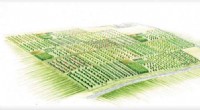
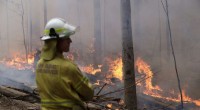
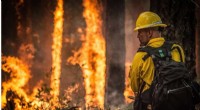
1. Large-Scale Burning: Around 10,000 years ago, humans began to practice agriculture and domesticate animals. As part of these practices, they used fire as a tool for clearing land and managing vegetation. This led to widespread burning of forests and grasslands, particularly in regions such as the Middle East, North Africa, and Southeast Asia.
2. Release of Greenhouse Gases: Forest fires emit large amounts of greenhouse gases, including carbon dioxide (CO2), methane (CH4), and nitrous oxide (N2O). These gases contribute to the greenhouse effect, trapping heat in the atmosphere and causing global temperatures to rise. The increased levels of greenhouse gases released from anthropogenic forest fires 10,000 years ago would have contributed to the warming climate at the end of the Pleistocene epoch.
3. Changes in Vegetation Patterns: Extensive burning can alter vegetation patterns and ecosystem dynamics. By clearing large areas of forest and promoting the growth of grassland, anthropogenic fires may have changed the surface characteristics of the Earth. Grasslands have different albedo (reflectivity) compared to forests, which could affect regional and global climate patterns.
4. Desertification: In certain regions, repeated burning and deforestation can lead to desertification. The loss of vegetation reduces the land's ability to retain water, making it drier and more susceptible to erosion. Desertification can further exacerbate climate change by altering regional weather patterns and dust emissions.
5. Impacts on Water Cycle: Forest fires can affect the local water cycle by altering precipitation patterns. Smoke and aerosols released from fires can affect cloud formation and rainfall, potentially leading to changes in regional precipitation regimes.
6. Feedback Mechanisms: The changes in climate caused by anthropogenic forest fires could have triggered various feedback mechanisms. For instance, increased temperatures due to greenhouse gas emissions could have resulted in the melting of glaciers and ice sheets, releasing more water vapor and further amplifying the greenhouse effect.
It's important to note that the exact impact of anthropogenic forest fires 10,000 years ago on Earth's climate is still a subject of ongoing scientific research. However, the evidence suggests that these fires likely played a role in shaping climate patterns and contributed to the transition into the Holocene epoch. Understanding the long-term effects of past human activities on the Earth's system can provide valuable insights for managing and mitigating climate change today.