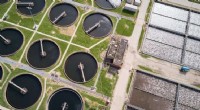
- Nutrient pollution: Florida's waters are polluted by excess nutrients, such as nitrogen and phosphorus, from sources like agricultural runoff, sewage treatment plants, and fertilizers. These nutrients cause algae to grow rapidly and form harmful algal blooms (HABs).
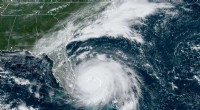
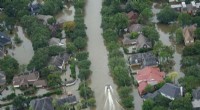
- Climate change: Rising temperatures and changes in precipitation patterns due to climate change contribute to the growth of HABs. Warmer temperatures create a more favorable environment for algae growth, while heavy rains can wash excess nutrients into waterways.
- Hydrological modifications: Alterations to the natural flow of water, such as the construction of dams and canals, can disrupt the balance of ecosystems and create conditions that favor the growth of harmful algae.
- Lack of regulation: Florida has relatively weak regulations regarding nutrient pollution, which allows for the excessive discharge of nutrients into waterways. This has contributed to the state's long-standing problem with algae blooms.
These factors collectively contribute to the occurrence and severity of algae blooms in Florida, leading to ecological, economic, and health-related impacts on the state.