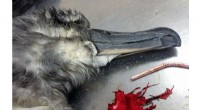
A new study has found that mockingbirds exposed to lead show increased aggression, suggesting that the toxic metal may have neurological impacts on wildlife.
The study, published in the journal "Environmental Pollution", found that mockingbirds that had been exposed to lead were more likely to attack other birds, even when those birds were not a threat. This behavior is unusual for mockingbirds, which are not typically aggressive birds.
The researchers believe that the lead exposure may be affecting the mockingbirds' brains, leading to the aggressive behavior. Lead is a known neurotoxin, and it can cause a variety of problems in humans, including brain damage, learning disabilities, and behavioral problems.
The study's findings are concerning because they suggest that lead exposure may be having a similar impact on wildlife. Lead is a common environmental contaminant, and it can be found in soil, water, and air. Birds can be exposed to lead by eating contaminated food or water, or by inhaling lead dust.
The study's findings highlight the importance of reducing lead exposure in the environment. Lead exposure can have a variety of negative impacts on wildlife, including increased aggression, brain damage, and death.
Lead is a toxic metal that can have a variety of negative impacts on wildlife. It can cause brain damage, learning disabilities, behavioral problems, and death. Lead exposure can also affect the immune system, making animals more susceptible to disease.
Lead is a common environmental contaminant, and it can be found in soil, water, and air. Animals can be exposed to lead by eating contaminated food or water, or by inhaling lead dust.
There are a number of things that can be done to reduce lead exposure in wildlife. One important step is to reduce the amount of lead in the environment. This can be done by cleaning up lead-contaminated sites, using lead-free ammunition, and recycling lead-acid batteries.
The study's findings suggest that lead exposure may be having a similar impact on wildlife. Lead is a common environmental contaminant, and it can be found in soil, water, and air. Birds can be exposed to lead by eating contaminated food or water, or by inhaling lead dust.
The study's findings highlight the importance of reducing lead exposure in the environment. Lead exposure can have a variety of negative impacts on wildlife, including increased aggression, brain damage, and death.