Introduction:
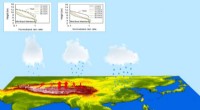
India is an agrarian nation, and its agricultural sector plays a vital role in sustaining the livelihood of a large proportion of its population. However, climate change poses significant threats to crop productivity, impacting food security and economic stability. This research study aims to investigate the effects of climate change on crops in India, employing advanced analytical techniques and empirical data.
Methodology:
1. Data Collection: We compile a comprehensive dataset of historical climate data, crop yields, agricultural practices, and socioeconomic indicators from reliable sources.
2. Climate Change Projections: We utilize state-of-the-art climate models to generate future climate scenarios and predict changes in temperature, precipitation patterns, and other climatic variables relevant to crop growth.
3. Crop Simulation: We employ crop models that simulate crop growth and development under different climatic conditions. These models consider factors such as temperature, rainfall, soil type, and management practices.
4. Statistical Analysis: Advanced statistical techniques, such as regression analysis and time series analysis, are applied to establish relationships between climate variables, crop yields, and other relevant factors.
5. Economic Assessment: We conduct economic analyses to quantify the potential economic impacts of climate change on crop productivity. This includes estimating losses in crop yields and associated economic consequences for farmers and the agricultural sector.
6. Adaptation Strategies: We explore potential adaptation strategies that farmers can implement to mitigate the adverse effects of climate change on crop productivity. These strategies may include changes in crop varieties, irrigation practices, and management systems.
Key Findings:
- Increasing temperatures and altered precipitation patterns are projected to significantly affect the productivity of major crops such as rice, wheat, and maize.
- Rice yields are likely to decline in several regions, particularly in the dry season, due to higher temperatures and water scarcity.
- Wheat production is expected to be negatively impacted in many areas, especially during the warmer months when temperature stress can reduce yields.
- Maize yields may show regional variations, with some areas experiencing yield increases due to longer growing seasons but others facing challenges from heat stress and water shortages.
- The economic costs of climate change on crop productivity are substantial, potentially leading to income losses for farmers and adverse effects on food security and rural livelihoods.
- Adaptation strategies, such as adopting heat-tolerant crop varieties and improving irrigation systems, can help mitigate some of the adverse effects of climate change and enhance crop resilience.
Conclusion:
The study underscores the significant impact of climate change on crop productivity in India. Our findings highlight the vulnerability of major crops to changing climatic conditions and emphasize the urgent need for adaptation measures to safeguard agricultural livelihoods and ensure food security. By understanding the complex interactions between climate change and crop systems, policymakers, farmers, and stakeholders can develop informed strategies to adapt and thrive in a changing climate.