Here are some key points to consider:
1. Warming Temperatures: As global temperatures rise due to climate change, the harsh climate of Siberia is becoming more moderate. The average temperature in Siberia has increased by about 2.5 degrees Celsius (4.5 degrees Fahrenheit) since the late 19th century, which is about twice the global average.
2. Longer Growing Season: Rising temperatures have led to a longer growing season in some parts of Siberia. This extended season creates opportunities for agriculture and horticulture, encouraging human settlement and economic development.
3. Reduced Permafrost: Permafrost refers to soil that remains frozen for at least two consecutive years, and it covers vast areas of Siberia. As temperatures increase, permafrost is melting, enabling construction and infrastructure development that was previously constrained due to frozen ground. This can facilitate human settlement and resource exploration.
4. Increased Infrastructure and Accessibility: Improved infrastructure, such as roads and airports, is being developed in parts of Siberia as a result of the changing climate. The Northern Sea Route, a shipping route across the Arctic Ocean, is also becoming more accessible due to reduced sea ice, enhancing transportation and trade.
5. Access to Natural Resources: Siberia's abundant natural resources, including oil, gas, minerals, and timber, become more accessible as the climate warms. This attracts industries and development projects, leading to job opportunities and economic growth.
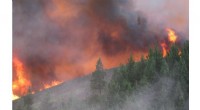
However, despite these potential benefits, several challenges remain. Siberia is still an extremely cold region, with temperatures dropping below freezing for most of the year. Extreme weather events like blizzards, wildfires, and flooding are becoming more frequent, posing risks to human settlements and infrastructure. The melting of permafrost can also cause ground instability and damage buildings and roads.
Additionally, infrastructure development and increased human activity in Siberia raise concerns about the impact on the environment and indigenous communities. Ensuring sustainable development practices, preserving ecosystems, and considering the rights and interests of local people are crucial.
In conclusion, climate change is making parts of Siberia more habitable for humans, bringing opportunities for economic development and settlement. However, challenges related to the extreme climate, environmental impacts, and the needs of local communities need to be carefully addressed for successful and sustainable human habitation in the region.