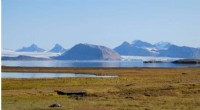
The Mesolithic period, dating from around 10,000 to 5,000 years ago, was a time of significant environmental change in Europe. As the glaciers that had covered much of the continent during the last ice age retreated, the climate became warmer and drier, and the landscape changed from tundra to forest.
This period also marked the transition from the Paleolithic to the Neolithic, with the development of new technologies such as pottery and agriculture. In a new study, researchers from the University of Copenhagen have examined how these changes affected the stone tool technologies used by Mesolithic hunter-gatherers in Denmark.
The researchers analyzed over 10,000 stone tools from 25 different sites, dating from the early Mesolithic to the late Mesolithic. They found that the types of stone tools used changed over time, reflecting the changing needs and lifestyles of the hunter-gatherers.
In the early Mesolithic, when the climate was still relatively cool and wet, the hunter-gatherers used a variety of stone tools, including scrapers, burins, and points. These tools were used for a range of activities, such as scraping hides, cutting meat, and making weapons.
However, as the climate became warmer and drier, the hunter-gatherers began to use a different set of stone tools. They used more tools for grinding and crushing, which were used for processing plant foods such as nuts and seeds. They also used fewer scrapers and burins, suggesting that they were no longer making as many leather goods or hunting as much as they had in the past.
The researchers believe that these changes in stone tool technology reflect the changing lifestyle of the Mesolithic hunter-gatherers. As the climate changed, they had to adapt their way of life in order to survive. They began to rely more on plant foods and less on meat, and they spent less time hunting and making leather goods.
This study provides new insights into how hunter-gatherer societies adapted to changing climate conditions in the Mesolithic period. It shows that these societies were not static, but rather were able to change their way of life in order to survive in a changing environment.