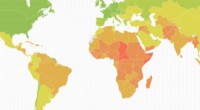
1. Increased Agricultural Productivity in Certain Regions:
- Higher carbon dioxide (CO2) concentrations can enhance photosynthesis, leading to increased plant growth and yields.
- Longer growing seasons in some areas may allow for multiple harvests or the introduction of new crops.
2. Economic Opportunities:
- Development of new technologies and industries related to renewable energy, energy efficiency, and carbon capture.
- Increased demand for climate-resilient infrastructure and services.
3. Tourism Potential:
- Melting ice and changing landscapes may open up new tourist destinations or make existing ones more accessible.
4. Reduced Heating Costs in Colder Regions:
- Warmer temperatures can reduce energy consumption for heating in cold climates.
5. Enhanced Biodiversity in Some Areas:
- Shifts in species distribution may introduce new species to certain ecosystems, potentially increasing biodiversity.
6. Advances in Scientific Research:
- Climate change-related research can lead to breakthroughs in understanding ecosystems, weather patterns, and environmental processes.
7. Inspiration for Innovation:
- The need to address climate change may drive technological innovation and creative solutions.
8. Public Health Benefits:
- Warmer temperatures may reduce the spread of some vector-borne diseases, such as malaria.
9. Conservation Initiatives:
- Climate change can raise awareness about environmental issues, leading to increased conservation efforts and sustainable practices.
10. International Collaboration:
- Addressing climate change can foster cooperation and partnerships between countries,促进技术和知识的共享.
It's crucial to recognize that these positive outcomes are often localized, may be outweighed by negative impacts, and are highly context-dependent. Additionally, the global nature of climate change requires a comprehensive and international approach to mitigating the negative consequences while capitalizing on potential opportunities.