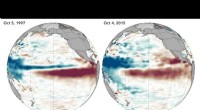
The PDO is characterized by fluctuations in the temperature of the North Pacific Ocean, off the coast of North America.
Here are some key points about the relationship between the PDO and drought in the Southwestern US:
1. PDO Phases:
The PDO has two phases, a warm phase and a cool phase. During the warm phase, the North Pacific Ocean is warmer than average while during the cool phase, it is cooler than average.
2. Precipitation Patterns:
During the warm phase of the PDO, the Southwestern US tends to experience less precipitation and more frequent droughts. The warmer waters in the North Pacific lead to changes in atmospheric circulation patterns, resulting in reduced moisture transport towards the Southwestern US. This reduction in precipitation can lead to drought conditions in the region.
3. Drought Intensity and Duration:
The warm phase of the PDO is often associated with more severe and longer droughts in the Southwestern US. The persistent warmer ocean temperatures in the North Pacific can influence the weather systems that bring rainfall to the region, making droughts more intense and persistent.
4. Cool Phase Impacts:
In contrast, the cool phase of the PDO is associated with increased precipitation and reduced likelihood of droughts in the Southwestern US. The cooler waters in the North Pacific during the cool phase result in different atmospheric circulation patterns that favor increased moisture transport towards the region, leading to higher chances of precipitation and reduced drought risk.
It is important to note that the relationship between the PDO and Southwestern US droughts is not deterministic, meaning that not every warm phase of the PDO will necessarily result in drought and vice versa. There can be other factors and climate variabilities that influence the occurrence and severity of droughts in the region. Nevertheless, the PDO serves as a useful climate indicator for long term drought patterns in the Southwestern US. Understanding the PDO and its influence on precipitation and drought risk can help water managers and policymakers make informed decisions for water resource planning and drought preparedness in the region.