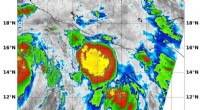
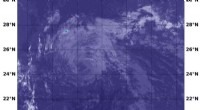
Hurricanes form over the ocean when warm, moist air rises rapidly from the surface, creating an area of low pressure. This low-pressure area draws in more warm air, which continues to rise and cool, releasing energy that forms clouds and precipitation. As the storm grows, its winds become stronger and it develops a distinct eye, a region of calm weather at the center.
Hurricanes are classified according to their maximum sustained wind speeds on the Saffir-Simpson Hurricane Scale. The scale ranges from Category 1 to Category 5, with Category 5 being the most intense. Hurricanes can cause significant damage to coastal areas, including high winds, heavy rainfall, flooding, storm surge (a rise in sea level caused by the storm), and tornadoes.
Hurricanes can also have indirect effects, such as power outages, water shortages, and disruptions to transportation and communication systems. These storms can pose a significant threat to life and property, and it is important to be prepared and take precautions when hurricanes are approaching.