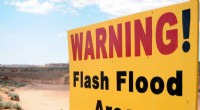
In general, climate change is likely to have a negative impact on real estate prices in areas that are already experiencing extreme weather events, such as hurricanes, floods, and droughts. These events can cause damage to property and infrastructure, which can make it less desirable to live in these areas. Additionally, climate change is likely to lead to sea level rise, which could threaten coastal properties.
However, climate change could also have a positive impact on real estate prices in some areas. For example, climate change could make some areas that are currently too cold or too hot to live in more habitable. Additionally, climate change could lead to increased demand for energy-efficient homes and properties that are located in areas with good access to water.
Ultimately, the impact of climate change on real estate prices is likely to be a mixed bag. Some properties will likely see their values increase, while others will see their values decrease. The overall effect of climate change on real estate prices is likely to be small in the short term, but it could become more significant in the long term.
It is important to note that there is still a great deal of uncertainty about the exact impacts of climate change on real estate prices. The research on this topic is still ongoing, and our understanding of the issue is likely to evolve in the years to come.