At the heart of the conflict between preservation and development is the struggle for land. Indigenous peoples and traditional communities have lived in the Amazon for centuries, relying on the forest for their livelihoods and cultural heritage. However, these communities are increasingly being displaced as more land is cleared for agricultural and commercial purposes.
Development of the Amazon region is necessary for economic growth and improvements in living standards. The region has the potential to produce agricultural products, minerals, and timber, which can all contribute to Brazil's economy. However, these activities must be balanced against the need to protect the environment and the rights of indigenous peoples.
One way to ensure sustainable development in the Amazon is to prioritize ecotourism and biodiversity conservation. The region's unique ecosystems and diverse wildlife have the potential to attract tourists from around the world, benefiting local communities and generating revenue for conservation efforts. Similarly, encouraging sustainable forestry practices can help to reduce deforestation and promote sustainable land use.
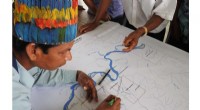
Another important approach is to empower indigenous peoples and local communities by recognizing their land rights and granting them a say in decisions that affect their territories. Inclusive policies that incorporate traditional knowledge and practices into sustainable development plans are essential for ensuring that the Amazon's biodiversity and cultural heritage are preserved.
Finding the right balance between preservation and development is a complex challenge that requires cooperation and compromise from all stakeholders. Striking this balance is crucial not only for the long-term sustainability of the Amazon rainforest, but also for the well-being of the communities that depend on it.