1. Marine Cloud Brightening (MCB): This concept involves spraying fine seawater droplets into the atmosphere above Arctic sea ice to increase cloud reflectivity. By enhancing the albedo (reflectivity) of clouds, more sunlight is reflected back into space, potentially leading to reduced warming and increased sea ice retention. However, the effects of MCB on regional and global climate, as well as its feasibility and potential side effects, are not fully understood.
2. Solar Radiation Management (SRM): SRM encompasses a range of techniques that aim to reduce the amount of solar energy reaching the Earth's surface, including stratospheric aerosol injection (injecting reflective aerosols into the stratosphere) or marine cloud brightening. While SRM could potentially mitigate some impacts of climate change, it is a controversial approach due to its potential risks and uncertainties, including unintended consequences on weather patterns, atmospheric chemistry, and ecosystems.
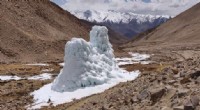
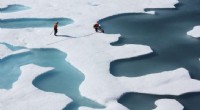
3. Sea Ice Restoration (SIR): This approach focuses on restoring or replenishing lost sea ice by increasing the thickness and extent of existing ice. Techniques such as towing icebergs or spraying water onto thin ice have been proposed to promote ice growth. While SIR could help maintain Arctic sea ice cover, it is uncertain whether it can be implemented effectively on a large scale and whether the benefits outweigh the potential drawbacks.
4. Snow Enhancement and Surface Albedo Modification: Increasing the surface albedo of the Arctic by enhancing snow cover or applying reflective materials (such as crushed rock or glass beads) has been suggested. The idea is to reflect more sunlight back into space, similar to MCB, thereby reducing surface warming and potentially slowing sea ice loss. However, practical implementation challenges and the potential for unintended consequences need to be carefully considered.
5. Ocean Heat Flux Management: Techniques that aim to reduce the transport of heat from lower latitudes into the Arctic Ocean have been proposed. This could involve modifying ocean currents or deploying barriers to restrict warm water inflow. However, such methods are highly complex, potentially disrupting marine ecosystems, and their effectiveness in mitigating climate change impacts remains uncertain.
Overall, Arctic ice management techniques are still largely theoretical, with many uncertainties regarding their effectiveness, practicality, potential side effects, and ethical implications. While they may offer some promise for mitigating certain climate change impacts, further research, thorough assessment, and international cooperation are necessary before any large-scale implementation can be considered.