Some of the factors that can contribute to a species becoming endangered include:
* Habitat loss: This is the biggest threat to endangered species. As human populations grow and develop, they often take over the natural habitats of plants and animals. This can make it difficult for them to find food and shelter, and can also disrupt their breeding patterns.
* Hunting and poaching: Many endangered species are hunted for their meat, fur, or other body parts. This can lead to a rapid decline in their populations.
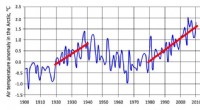
* Climate change: Climate change is also a major threat to endangered species. As the climate changes, the habitats of many plants and animals are changing too. This can make it difficult for them to survive.
Endangered species are a valuable part of our natural world. They play an important role in maintaining the balance of ecosystems, and they provide us with many benefits, such as food, medicine, and recreation. It is important to protect endangered species so that they can continue to exist for future generations.