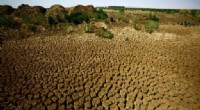
* Evaporation: If the soil surface is dry, most of the water that lands on it will evaporate. This is because dry soil has a high suction potential, which means that it will draw water in from the air or from a water source.
* Infiltration: If the soil surface is wet, some of the water that lands on it will infiltrate into the soil. This is because wet soil has a low suction potential, which means that it will not draw water in from the air or from a water source.
A small amount of the water that lands on the leaves of container-grown plants will be absorbed directly through the leaf surface. If irrigation rates are low and applied frequently with overhead irrigation methods, absorption becomes important compared to soil surface applications.
The amount of water that a container-grown plant captures from sprinkler irrigation will depend on several factors, including:
* The size of the plant
* The shape of the plant
* The porosity of the soil
* The wind speed
* The temperature
* The relative humidity
Container-grown plants can capture a significant amount of water from sprinkler irrigation, especially if the water is applied slowly and evenly. In some cases, container-grown plants can capture up to 90% of the water that is sprayed into the air.