Rising Temperatures:
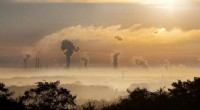
- Increased temperatures due to climate change have led to higher rates of evaporation from the river and its surrounding reservoirs, resulting in reduced water levels.
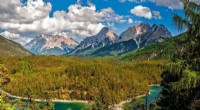
- Warmer temperatures also cause earlier snowmelt in the Rocky Mountains, which reduces the amount of snowpack that would otherwise melt gradually and contribute to the river's flow during the late spring and summer months.
Droughts:
- Climate change has intensified the frequency and severity of droughts in the Colorado River Basin. Reduced precipitation and declining snowpack during dry periods further diminish the river's water supply.
Changes in Precipitation Patterns:
- Altered precipitation patterns have affected the timing, intensity, and duration of rainfall in the basin. Less frequent but more intense storms result in rapid runoff and less water absorption into the ground, reducing the river's base flow.
Reduced Snowfall and Snowpack:
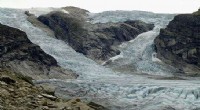
- Overall, the Colorado River Basin has experienced a decline in snowfall and snowpack in recent decades. With warmer temperatures, more precipitation falls as rain instead of snow. This reduction in snowpack limits the amount of water stored in the mountains that can be released during warmer seasons when water demand is highest.
Increased Water Demand:
- The increasing population and economic development in the Colorado River Basin have led to growing water demands for residential, agricultural, and industrial uses. This increased demand strains the river's already diminished supply.
As a result of these combined factors, the Colorado River's flow has declined significantly in recent years, posing critical challenges for water management and allocation among the seven basin states that rely on the river as a vital water source.