Here are several examples of how our consumption choices and lifestyles contribute to our land-use footprint:
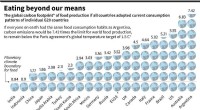
1. Food Choices: The type of food we eat plays a crucial role in determining our land-use footprint. Animal-based products, particularly beef and dairy, require significantly more land compared to plant-based foods. For instance, producing one kilogram of beef requires approximately 20 times more land than producing one kilogram of wheat. Adopting a more plant-based diet can significantly reduce our land-use footprint.
2. Housing: Where we live and the type of housing we choose also impact our land-use footprint. Living in densely populated urban areas with efficient public transportation reduces the need for sprawling suburbs and can help conserve land. On the other hand, living in a single-family home in a less densely populated area typically results in a higher land-use footprint due to the larger land requirement per person.
3. Transportation: The way we commute and travel can contribute to our land-use footprint. Driving a personal vehicle requires more land for roads and parking infrastructure compared to using public transportation, cycling, or walking. Choosing more sustainable forms of transportation can help reduce our reliance on land for transportation purposes.
4. Goods and Services: The products we buy and the services we use can also have an impact on our land-use footprint. Products with higher environmental impacts, such as those with excessive packaging or requiring extensive resources to produce, contribute to a larger land-use footprint. Choosing products with lower environmental impacts or opting for reusable and sustainable options can help mitigate our impact on land.
5. Travel and Tourism: Traveling, especially to remote destinations, can also contribute to our land-use footprint. Developing tourist infrastructure, such as resorts, airports, and transportation routes, can lead to land conversion and habitat loss. Responsible travel practices, including choosing sustainable destinations and reducing carbon emissions, can help minimize our impact on land.
By being mindful of the land-use implications of our consumption choices and lifestyle, we can make a difference in reducing our environmental footprint. Embracing sustainable practices, supporting local and sustainable producers, and advocating for policies that promote land conservation and responsible development can contribute to creating a more sustainable future for our planet.