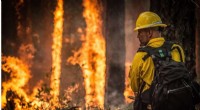
Fire-adapted species: Certain species may have evolved adaptations that enable them to survive and even thrive in fire-prone ecosystems. For example, some plants develop thick, fire-resistant bark, while certain animals have the ability to detect and flee wildfires effectively. These species may experience minimal negative impacts from forest fires and might even benefit from the regeneration of their habitats after a controlled burn.
Habitat preferences: The distribution and habitat preferences of endangered animals play a crucial role in their vulnerability to forest fires. Species that primarily inhabit dense forests may be severely affected by large fires, while those that occupy more open areas or are mobile enough to seek refuge may face reduced risks.
Timing of fires: The timing of forest fires can significantly influence their effects on endangered animals. Fires that occur during critical periods, such as nesting or breeding seasons, can have more devastating consequences compared to those that happen when there is reduced activity or fewer vulnerable individuals.
Fire management practices: The implementation of effective fire management practices can greatly reduce the negative impacts of forest fires on endangered animals. Controlled burns, prescribed fires, and early detection systems can help prevent large-scale wildfires and minimize habitat damage.
Conservation efforts: Proactive conservation efforts, such as habitat conservation, captive breeding programs, and translocation, can help mitigate the potential risks associated with forest fires for endangered species. By protecting critical habitats, increasing population numbers, and providing alternative habitats if necessary, conservationists can enhance the resilience of endangered animals in the face of wildfires.
Therefore, while large forest fires can pose risks to endangered animals, it's important to assess the specific circumstances and adaptations of each species to determine their vulnerability. Additionally, implementing effective fire management practices and comprehensive conservation strategies can significantly reduce the negative impacts of wildfires on endangered species.